This is probably one of the hardest decisions you will ever make.
Catherine House is a five bed home in Taunton for adults with learning disabilities. I'm Laura, the Registered Manager, and I'm here Monday to Friday. Ask me anything: there are no stupid questions and no pressure.
The questions you're actually asking.
Honest answers to the things families ask us most often. If you have a question we haven't covered, ask us directly. We'd rather have the conversation than leave you wondering.
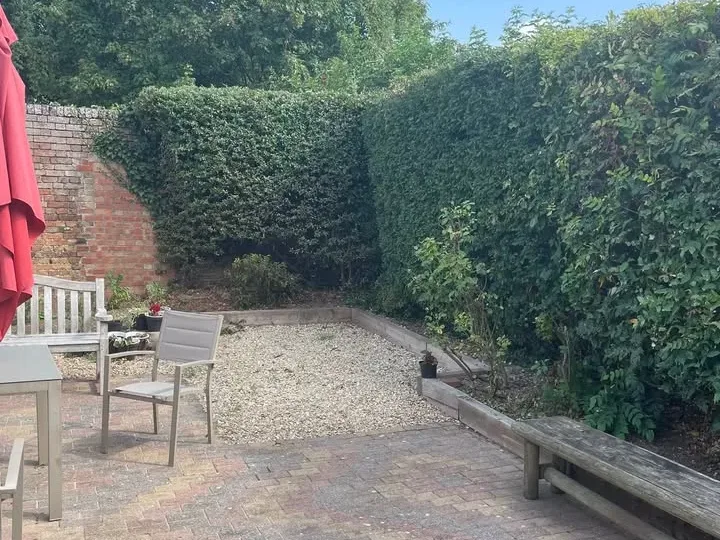
Yes. Visiting at Catherine House isn't restricted to set times. We're flexible because we know family visits often aren't planned. Phone us when you're on your way and we'll have the kettle on.
If your relative is out at college, day service, or in the community when you arrive, we'll let you know in advance so you can time it. The aim is for visits to feel like dropping in, not booking an appointment.
Laura and the team will know you personally, the same way they know your relative. You'll have a named keyworker who is your main point of contact.
Updates happen by phone, in person, or by email, whatever works for you. There's no fixed timetable, but you'll hear from us regularly, by phone, email or the app we use with families, and straight away if something matters. We welcome you calling in whenever you want to.
If something's worrying us, you hear from us the same day. Not the next morning.
The team is trained to spot changes early. We use a system called Log My Care to track health, medications, and any concerns, so nothing slips through the gap.
If something isn't right, we contact the GP, hospital, or specialist as needed. Family is notified the same day. We don't wait for the morning round to update you.
We're not registered to provide nursing care. If the need ever changes significantly toward that level of care, we work openly with the social worker and family on the right next step. We'd rather be honest about scope than try to be everything to everyone.
There isn't one rigid routine. The five people who live at Catherine House have different rhythms. Some go to college, some go to day services, some have part-time activities, some prefer being at home.
The point is to build the week around the person, not slot the person into a programme. Some weeks are busy, some are quiet. We follow the resident's lead.
One member of staff sleeps in at Catherine House every night. We don't have a waking night staff member, so if your relative needs someone awake and on hand through the night, talk to Laura first.
Evenings and weekends are covered by an on-call system that includes Laura, the Registered Manager.
Carefully and slowly. We never take a placement we don't believe we can support well, even when we have vacancies. A bad-fit placement hurts everyone, including the residents already settled.
We talk to the social worker, read the assessments, meet the person and the family, and where appropriate we ask the people already living here what they think.
We'd rather say no than say yes wrongly.
Yes, as part of our learning disability service. Autism isn't a separate specialism at Catherine House, so we'll talk honestly with you about whether we can meet someone's needs.
We're registered with the CQC for learning disabilities, and we use Positive Behaviour Support wherever possible. Most "challenging" behaviour is communication, not malice.
We look for the cause, adapt the environment or routine where needed, and bring in the right specialists when it helps (Speech and Language Therapy, Psychology, Behaviour Support).
Yes where it's practical. If your relative is moving from another area, we'll usually re-register them with a Taunton GP for day-to-day care so they have proper local access.
Continuity that matters stays. Specialists where there's an established relationship (psychiatry, neurology, learning disability nursing) stay where they are. We coordinate the travel.
Yes. Please come. We'll show you round, introduce you to Laura and the team, and answer whatever questions you have. We'd much rather you see the place properly than rely on photos and brochures.
If your relative is the person being placed, bring them too if it's appropriate. They should see where they might live and meet the people they might live with. Decisions made about people work better when they're made with them.
At the moment, all our placements are funded by the local authority, usually Somerset Council. How a placement is funded depends on the person and the council involved, so we'll talk it through openly with you and the social worker before anything is agreed.
We don't have any respite places at the moment.
Fees are agreed with the commissioning authority before placement, based on the person's assessed needs. If you're trying to understand the funding picture for your relative, the social worker or care manager is usually the first port of call, and we're happy to talk it through with you.
Safety isn't a checklist. But there is a checklist underneath it.
We hold a Safeguarding Adults policy aligned to Somerset's procedures. Every staff member is trained in safeguarding from induction onwards, and every concern is logged and acted on. Laura is the designated safeguarding lead, with senior backup. Where we have a duty to notify the local authority, CQC, or another body, we do, the same day.
Beyond the checklist: a small home, five residents, staff who actually know each person. That's where most of the safety comes from. You catch things early when you know someone well.
Honest answer: we work hard to make sure it does. We choose carefully at the start, we get to know the person well, and we adapt the support as we learn. Most concerns can be solved if they're raised early.
But sometimes a placement isn't right, and we don't pretend otherwise when that happens. We talk openly with the social worker, the family, and where possible the person themselves about what's not working and what the right next step is.
We never give notice without trying first, and we don't leave anyone in limbo.
See all Knowledge Centre articles →
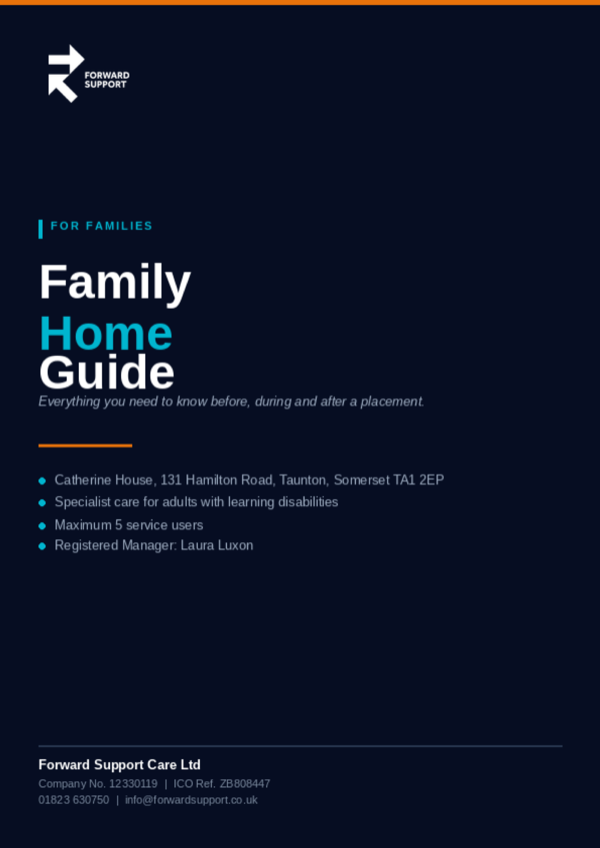
The Family Home Guide
Everything families need to know about Catherine House, before, during, and after a placement.
- What life at Catherine House is actually like, day to day
- How we work with families through a placement and beyond
- What to look for when you visit, and the questions worth asking
- How fees, funding, and the practical steps work
- How to reach Laura directly
Your download starts straight away, and we email you the link too.